

In the dynamic world of streaming, Twitch has carved out a special space for gamers, creatives, and content makers alike. Featuring millions of live broadcasts and an vast library of videos on demand, the platform offers a plethora of entertainment and educational content. Nonetheless, what happens when your preferred streamers go offline? How can you guarantee that those unforgettable moments or insightful gameplay sessions are accessible for you to watch later? This manual is here to help you explore the intricacies of recording, downloading, and archiving Twitch content across various platforms and devices.
If you're a casual viewer wanting to keep a favorite VOD or a dedicated streamer looking to preserve your highlights, understanding the methods available for saving Twitch content is important. Ranging from high-quality video recording methods to the top applications for automated downloads, this comprehensive resource will provide you with the tools and knowledge you require. Important details 'll investigate everything from recording Twitch streams on Mac and Windows to mobile options and browser-based solutions, guaranteeing that you're equipped to capture each precious moment for your personal archive. Let us dive into the best strategies for preserving your favorite Twitch experiences and maximizing this abundant content library.
Recording Twitch Broadcasts
Capturing Twitch broadcasts can be important for streamers who desire to preserve their live broadcasts for future access. There are many methods to accomplish this, including applications to external devices. Utilizing a stream recording software can enhance the standard of your captures, which allows for better audio and video fidelity. Popular application options cater to both Mac and PC users, providing a range of features to record streams, such as customizable settings for resolution and bitrate.
For those who prefer a simple approach, desktop recording software is accessible that can capture your screen alongside your voiceover. Many of these programs allow you to choose specific sections of the display to capture, which is beneficial if you prefer to concentrate on the game window or a specific software. Additionally, web-based recording tools can simplify the job, removing the need for installations while providing sufficient recording capabilities.
It’s vital to think about legal guidelines when capturing Twitch.tv broadcasts. Video makers should be aware of fair use principles and copyright restrictions, particularly when including other user-generated content in recordings. By keeping updated about these legal considerations, content creators can confidently capture and store their streams, ensuring compliance while contributing to their streaming's development and preservation objectives.
Acquiring Twitch VODs and Clips
To download Twitch VODs, you first need to ensure that your account settings permit for video storage. Twitch automatically stores broadcasts for two weeks for standard users and up to two months for Twitch Affiliates. Once your stream is over, navigate to the Creator Control Panel, select the Content tab, and go to Video Management. Here, you can find your VODs, and by clicking on the three dots next to your stream, you will have the option to download it directly to your device.
Creating Twitch clips is equally straightforward. During your live stream or subsequently, you can create clips by clicking the clip icon on the stream player. Once you've created your clip, you can view it in the Creator Control Panel's Video Management section. From there, click on the clip, and use the share options to save it. Be sure to create engaging clips that highlight your best moments, as they are great tools for promoting your content on social platforms.
For users looking to streamline the download process, several external tools and bots can assist in mass downloading your VODs and clips. These tools often let you specify which content to download based on specific parameters, such as time, tags, or search terms, making your archiving strategy more efficient. Always keep in mind the legal considerations surrounding material usage and ensure you have the proper rights to keep and share the downloaded material.
Archiving and Managing Media
When you begin capturing and saving Twitch content, it’s crucial to have a robust strategy for archiving and managing your data. This means structuring your recordings in a way that makes them simple to find and retrieve later. Create a consistent naming scheme that features the timestamp, type of media, and creator name to simplify your retrieval process. Creating folders for different categories such as VODs, highlights, and clips will assist maintain your data orderly and prevent confusion, particularly as your collection grows.
Another key aspect of media management is maintaining that your captures achieve high standards. Pay attention to the audio and video parameters when recording, such as resolution and bitrate, to preserve the best possible quality for your archives. Think about utilizing cloud storage solutions alongside physical storage to keep backups secure from hardware issues. This not only protects your media but also allows for easier access across various devices.
Finally, monitoring the legal aspects related to storing Twitch content is essential. Familiarize yourself with fair use rules and the policies set by Twitch concerning the utilization and distribution of captured materials. This will aid you handle any potential issues with copyright while protecting your recordings. Additionally, think about using content creator tools that facilitate organization and compliance, ensuring that your archived streams contribute positively to your channel growth plans.
Lawful Considerations for Live Stream Capturing
When it comes to documenting video game live streams, understanding the legal framework is important for streamers. Twitch's terms of service state that individuals generally possess the rights to the content they generate, but this does not inherently grant permission to capture or redistribute other streamers’ streams or documents. It is mandatory to adhere to copyright laws, as many content creators utilize licensed music or proprietary content that may not be legally documented or distributed without authorization.
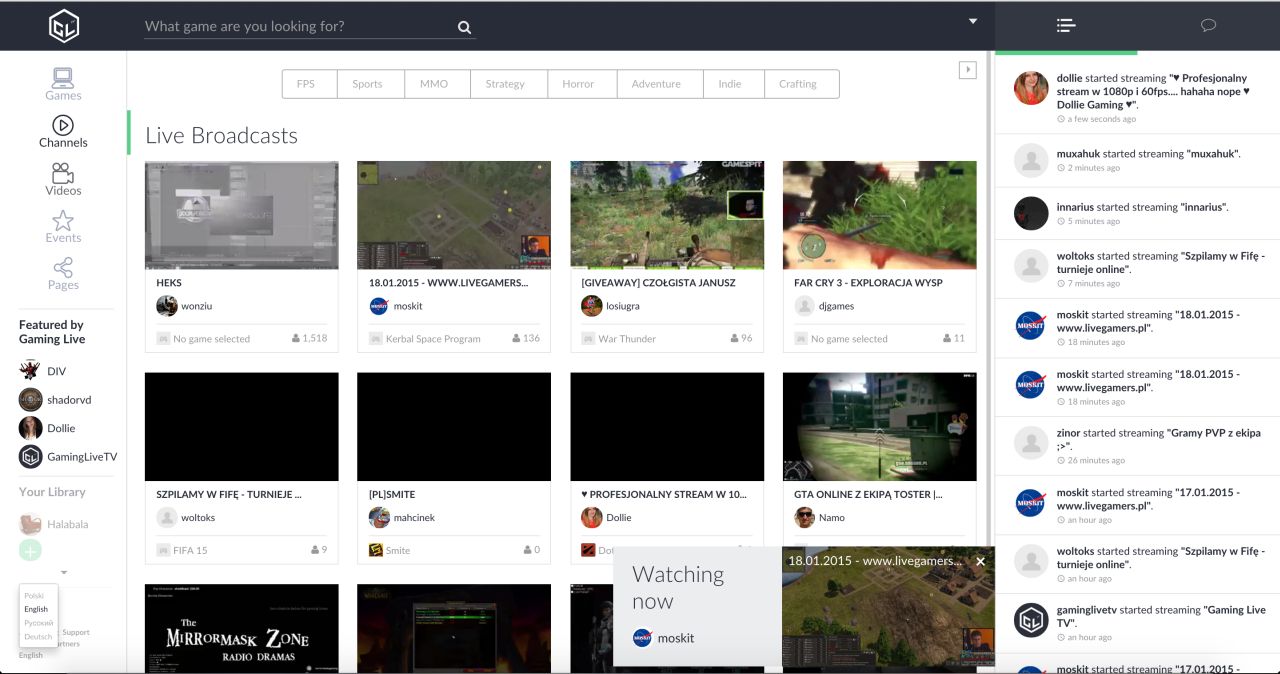
Fair usage guidelines can sometimes provide a structure for recording streaming media, but the conditions for fair use are nuanced and context-dependent. Aspects like the aim of the use, the character of the original content, the quantity of the original work used, and the impact on the market value must all be considered. This means that utilizing portions of a live stream for commentary or education might qualify as fair use, but recording entire broadcasts or rebroadcasting them may not, especially if it could potentially diminish the initial content producer's audience or earnings.
Additionally, content creators should be mindful that the platform has specific guidelines regarding the use and distribution of their platform's content. StreamRecorder easy to use set their own guidelines about what can be recorded and shared, which makes it vital to request authorization where necessary. Engaging with streamers' communities and understanding their preferences can foster a respectful environment and help in dealing with the intricacies of legal matters while protecting media.
Top Practices for Excellent Recordings
To make sure that your Twitch recordings are of the highest quality, it is crucial to set the right resolution and bitrate. Streaming and recording in full HD at a bitrate of at least 6000 kbps is commonly recommended for achieving sharp visuals and excellent audio. However, your exact settings may vary depending on your network speed and hardware capabilities. Always test different configurations to find the optimal balance that keeps quality without causing lag during live streams or recordings.
Another key factor of high-quality recordings is the selection of recording software. Look for PC recording applications that are known for their robust features, such as OBS Studio, Streamlabs, or XSplit Gamecaster. These programs provide advanced options for tweaking audio levels, video formats, and bitrate controls, which can significantly enhance the quality of your recordings. Additionally, ensure that your system meets the software requirements to avoid potential performance issues while recording.
Lastly, organization and management of your recorded content play a crucial role in preserving quality over time. Utilize a methodical approach by labeling files clearly and creating dedicated folders for VODs, clips, and highlights. Consider putting in place a backup strategy, such as cloud storage or external storage, to prevent loss of content and ensure longevity. Regularly check the health of your storage devices and archive your recordings in multiple formats to safeguard against corruption and maintain ease of access for later viewing or editing.